Passage 2
Of all the components of a good night′ s sleep, dreams seem to be least within our control. Indreams, a window opens into a world where logic is suspended and dead people speak. A centuryago, Freud formulated his revolutionary theory that dreams were the disguised shadows of ourunconscious desires and fears; by the late 1970s, neurologists had switched to thinking of them asjust "mental noise"--the random byproducts of the neural-repair work that goes on during sleep.
Now researchers suspect that dreams are part of the mind′ s emotional thermostat, regulating moodswhile the brain is"off-line." And one leading authority says that these intensely powerful mentalevents can be not only harnessed but actually brought under conscious control, to help us sleep andfeel better, "It′s your dream," says Rosalind Cartwright, chair of psychology at Chicago′s MedicalCenter. "If you don′t like it, change it."
Evidence from brain imaging supports this view. The brain is as active during REM (rapid eyemovement) sleep--when most vivid dreams occur--as it is when fully awake, says Dr. EricNofzinger at the University of Pittsburgh. But not all parts of the brain are equally involved; thelimbic system (the "emotional brain") is especially active, while the prefrontal cortex (the center ofintellect and reasoning) is relatively quiet. "We wake up from dreams happy or depressed, and thosefeelings can stay with us all day." says Stanford sleep researcher Dr. William Dement.
The link between dreams and emotions shows up among the patients in Cartwright′s clinic.
Most people seem to have more bad dreams early in the night, progressing toward happier onesbefore awakening, suggesting that they are working through negative feelings generated during theday. Because our conscious mind is occupied with daily life we don′t always think about theemotional significance of the day′s events--until, it appears, we begin to dream.
And this process need not
- A.waking up in time is essential to the ridding of bad dreams
- B.visualizing bad dreams helps bring them under control
- C.dreams should be left to their natural progression
- D.dreaming may not entirely belong to the unconscious
正确答案及解析
正确答案
解析
推断题。根据第四段第一句,做梦的过程不一定是无意识的,从这我们可以得知作者不认为做梦是完全无意识的行为.故选D。
包含此试题的试卷
你可能感兴趣的试题
《义务教育数学课程标准(2011年版)》强调,课程内容要反映社会的需要、数学的特点,要符合学生的认知规律。课程内容的组织要重视过程,处理好()的关系。
-
- A.预设与生成
- B.抽象与具体
- C.数学与实际生活
- D.过程与结果
- 查看答案
设α是某一方程组的解向量,k为某一常数,则kα也为该方程组的解向量。( )
- 查看答案

-
- A.0
- B.1
- C.2
- D.3
- 查看答案
案例:
在有理数运算的课堂教学片段中,某学生的板演如下:
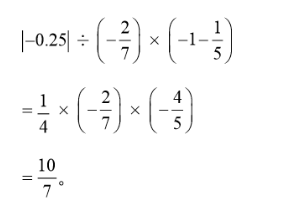
针对该学生的解答,教师进行了如下教学:
师:请仔细检查你的演算过程,看是否正确无误?
生:好像正确吧。

请分析例题1、例题2中每一步运算的依据。(10分)
- 查看答案
初中数学课程是一门国家课程,其主要内容包括课程目标、教学内容、教学过程和( )等
-
- A.评价手段
- B.教学方法
- C.教学手段
- D.教学实践
- 查看答案