资料:Up to 80 per cent of the world’s middle classes will live in developing countries by 2030 thanks to surprising recent gains in poverty reduction, according to a United Nations report published on Thursday.
“Never in history have the living conditions and prospects of so many people changed so dramatically and so fast.” concludes the UN’s latest Development Report. “The world is witnessing an epochal ‘global rebalancing’.”
Underpinning the improvements in the human development index(HDI) was rapid growth in countries such as China, India and Brazil, with China and India having doubled per capita economic output in less than 20 years. But the study stressed that growth and improvements in HDI spread far beyond the four Bric countries of Brazil, Russia, India and China, and included at least 40 countries that had accompanied greater economic dynamism with effective poverty-reduction policies.
Afghanistan, Sierra Leone, Ethiopia, Rwanda and Angola were among 14 countries that have recorded gains in HDI of more than 2 per cent a year since 2000. Partly as a result, the report found that worldwide extreme income poverty has plunged from 43 per cent in 1990 to just 22 per cent in 2008, including more than 500m being lifted out of poverty in China alone. The report stated that such gains had already helped the world achieve the main poverty eradication goal of the so-called Millennium Development Goals, which called for the share of people living on less than $1.25 a day to be cut by half from 1990 to 2015.
Underpinning this poverty reduction was developing countries’ increasing share of global trade, which grew from 25 per cent to 47 per cent between 1980 and 2010. “The south as a whole is driving global economic growth and societal change for the first time in centuries,” says the report.
The report found that trade among developing countries was the biggest factor in that expansion, increasing from less than 10 per cent of total global trade to more than 30 per cent. “Trade between countries in the south will overtake that between developed nations,” the report said.
The word “underpinning” in the passage refers to ______.
- A.blocking
- B.undergoing
- C.supporting
- D.stressing
正确答案及解析
正确答案
解析
本题考查的是词义理解。
【关键词】underpinning
【主题句】第3自然段Underpinning the improvements in the human development index(HDI) was rapid growth in countries such as China, India and Brazil, with China and India having doubled per capita economic output in less than 20 years. 支持人类发展指数(HDI)取得进步的是中国、印度和巴西等国经济的迅速增长,中国和印度的人均经济产值在不到20年的时间里增长了一倍。
【解析】本题的问题是“underpinning这个词在文中指的是?”A选项“阻塞”,B选项“经历,承受”,C选项“支持”,D选项“强调,加压”。underpinning这个词本身的意思是基础,支持,支撑,文中指的是支持人类发展指数(HDI)取得进步,因此,选项C正确。
你可能感兴趣的试题
根据《中华人民共和国中国人民银行法》的规定,我国货币政策的最终目标是( ),并以此促进经济增长。
-
- A.保持货币币值稳定
- B.实现充分就业
- C.保持物价稳定
- D.保持利率稳定
- 查看答案
箱子里面有红、白两种玻璃球,红球数比白球数的3倍多两个,每次从箱子里取出7个白球、15个红球。如果经过若干次以后,箱子里只剩下3个白球、53个红球,那么,箱子里原有红球比白球多多少个?
-
- A.102
- B.104
- C.106
- D.108
- 查看答案
市场经济体制下,财政具有的职能有( )。
-
- A.资源配置职能
- B.收入分配职能
- C.经济稳定和发展职能
- D.综合平衡职能
- E.货币发行职能
- 查看答案
以下对政府部门的储蓄,表述正确的是( )。
-
- A.政府部门的储蓄可以是正值,也可以是负值
- B.政府部门的储蓄包括私人储蓄和企业储蓄
- C.政府部门的储蓄一定是正值
- D.政府部门的储蓄一定是负值
- 查看答案
将自然数1~100分别写在完全相同的100张卡片上,然后打乱卡片,先后随机取出4张,问这4张先后取出的卡片上的数字呈增序的几率是多少?()
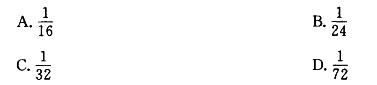
-
- A.见图A
- B.见图B
- C.见图C
- D.见图D
- 查看答案