资料:Procrastination comes in many disguises. We might resolve to tackle a task, but find endless reasons to defer it. We might prioritize things we can readily tick off our to-do list- answering emails, say- while leaving the big, complex stuff untouched for another day. We can look and feel busy. while artfully avoiding the tanks that really matter. And when we look at those rolling, long untouched items at the bottom of our to-do list, we can't help but feel a little disappointed in ourselves.
The problem is our brains are programmed to procrastinate. In general, we all tend to struggle with task that promise future upside in return for efforts we take now. That's because it's easier for our brains to process concrete rather than abstract things, and the immediate hassle is very tangible compared with those unknowable, uncertain future benefits. So the short-term effort easily dominates the long-term upside in our minds--an example of something that behavioral scientists call present bias.
How can you become less myopic about your elusive tasks? It's all about rebalancing the cost benefit analysis: make the benefits of action feel bigger, and the costs of action feel smaller. The reward for doing a pestering task needs to feel larger than the immediate pain of tacking it.
To make the benefits of action feel bigger and more real:
Visualize how great it will be to get it done. Researchers have discovered that people are more likely to save for their future retirement if they're shown digitally aged photographs of themselves. Why? Because it makes their future self feel more real-making the future benefits of saving also feel more weighty.
According to the author, which can NOT be seen as the way of procrastination?
- A.We prioritize the to-do list and finish the task in time
- B.We prioritize and only do things that can be done easily and quickly
- C.We look busy but avoid the task that really matters
- D.We find endless reasons to defer a task
正确答案及解析
正确答案
解析
本题考查的是细节理解。
【关键词】not; way of procrastination
【主题句】第一段Procrastination comes in many disguises. We might resolve to tackle a task, but find endless reasons to defer it. We might prioritize things we can readily tick off our to-do list — answering emails, say — while leaving the big, complex stuff untouched for another day. We can look and feel busy, while artfully avoiding the tasks that really matter. And when we look at those rolling, long-untouched items at the bottom of our to-do list, we can’t help but feel a little disappointed in ourselves.(拖延症有很多伪装。我们也许会下决心去处理一项任务,但却发现了无穷无尽的拖延的理由。我们可能会优先考虑很容易解决的待办事项清单,比如回复邮件,然后把那些大而复杂的事情原封不动地留到另一天做。我们可能看起来并且感觉很忙,然而巧妙地避开那些真正重要的任务。当我们看到那些一大串、长时间未动的项目在我们的待办事项清单的底部时,我们禁不住会对自己感到有些失望。)
【解析】本题问“根据作者,哪一项不被看做是拖延症的表现?”。选项A意为“我们优先处理待办事项清单并及时完成任务”;选项B意为“我们优先考虑并且只做能轻松快速完成的事情”;选项C意为“我们看起来很忙,但避免了真正重要的任务”;选项D意为“我们发现无尽的理由推迟一项任务”。根据文章第1段的内容(主题句),可知B、C、D项原文都有提及,A项We prioritize the to-do list and finish the task in time(我们优先考虑待办事项并且及时完成任务)与题目相违背,所以是错的。而此题为选非题。
你可能感兴趣的试题
根据《中华人民共和国中国人民银行法》的规定,我国货币政策的最终目标是( ),并以此促进经济增长。
-
- A.保持货币币值稳定
- B.实现充分就业
- C.保持物价稳定
- D.保持利率稳定
- 查看答案
箱子里面有红、白两种玻璃球,红球数比白球数的3倍多两个,每次从箱子里取出7个白球、15个红球。如果经过若干次以后,箱子里只剩下3个白球、53个红球,那么,箱子里原有红球比白球多多少个?
-
- A.102
- B.104
- C.106
- D.108
- 查看答案
市场经济体制下,财政具有的职能有( )。
-
- A.资源配置职能
- B.收入分配职能
- C.经济稳定和发展职能
- D.综合平衡职能
- E.货币发行职能
- 查看答案
以下对政府部门的储蓄,表述正确的是( )。
-
- A.政府部门的储蓄可以是正值,也可以是负值
- B.政府部门的储蓄包括私人储蓄和企业储蓄
- C.政府部门的储蓄一定是正值
- D.政府部门的储蓄一定是负值
- 查看答案
将自然数1~100分别写在完全相同的100张卡片上,然后打乱卡片,先后随机取出4张,问这4张先后取出的卡片上的数字呈增序的几率是多少?()
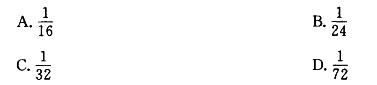
-
- A.见图A
- B.见图B
- C.见图C
- D.见图D
- 查看答案