资料:As a startup founder, my daily tasks include everything from long-term strategic planning to approving team outings and company culture initiatives. Day after day, things inevitably come up that need to get handled ASAP. But I’ve also learned that if you don’t have a strategy for making time for those bigger ambitions and your truly lofty goals, they’ll simply never get done. And that means you won’t make the progress that’s really going to move your business forward.
1. FIND YOUR MOST PRODUCTIVE TIME
Face it: You aren’t cranking out work at absolute peak productivity for the entire day. Instead, there are likely certain times when you’re at your most focused and other times when your energy wanes. That’s normal. Maybe for you, it’s bright and early in the morning, before anyone else arrives in the office, when you do your best work. Whenever it is, identify that chunk of time (even if it’s only an hour!) when you feel most productive, and then reserve it on your calendar like you would any other important meeting. You need to protect this block of time from intrusion--it isn’t optional. That way you’re guaranteed to have a regular, designated period when you can at least get started on those bigger to-dos.
2. CREATE PHYSICAL BARRIERS
Nobody works in a vacuum. We all have to collaborate with others to some degree or another. And it’s the people we work closest with whom we tend to put first--we want to be readily available if they need our help. But there are times you need to tune out the distractions and focus if you’re going to get any meaningful work done.
One of the most effective methods I’ve found is to put physical barriers between us. I’ll work from a conference room or even from home on occasion in order to get some literal space from people needing “just one quick thing.”
According to paragraph 2, which of the following the “chunk of time” the author is talking about?
- A.When you are most focused
- B.When there is no distractions
- C.Late at night
- D.Bright and early in the morning
正确答案及解析
正确答案
解析
本题考查的是细节理解。
【关键词】paragraph 2;chunk of time
【主题句】第2自然段Whenever it is, identify that chunk of time when you feel most productive, and then reserve it on your calendar like you would any other important meeting. 无论是在什么时间,确定这段你最高产的时间,在日程中保留这一重要时间段,就像标注其它重要会议一样。
【解析】题干意为“根据第2自然段,作者所说的‘大块的时间’是指哪一个?” 选项A意为“当你最专注的时候”;选项B意为“没有讨论的时候”;选项C意为“晚上”;选项D意为“一大早”。根据主题句可知,大块的时间指的是一天中你注意力最集中、最有效率的时间,故选项A正确。
你可能感兴趣的试题
根据《中华人民共和国中国人民银行法》的规定,我国货币政策的最终目标是( ),并以此促进经济增长。
-
- A.保持货币币值稳定
- B.实现充分就业
- C.保持物价稳定
- D.保持利率稳定
- 查看答案
箱子里面有红、白两种玻璃球,红球数比白球数的3倍多两个,每次从箱子里取出7个白球、15个红球。如果经过若干次以后,箱子里只剩下3个白球、53个红球,那么,箱子里原有红球比白球多多少个?
-
- A.102
- B.104
- C.106
- D.108
- 查看答案
市场经济体制下,财政具有的职能有( )。
-
- A.资源配置职能
- B.收入分配职能
- C.经济稳定和发展职能
- D.综合平衡职能
- E.货币发行职能
- 查看答案
以下对政府部门的储蓄,表述正确的是( )。
-
- A.政府部门的储蓄可以是正值,也可以是负值
- B.政府部门的储蓄包括私人储蓄和企业储蓄
- C.政府部门的储蓄一定是正值
- D.政府部门的储蓄一定是负值
- 查看答案
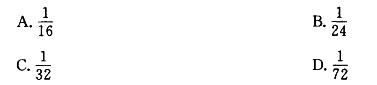
将自然数1~100分别写在完全相同的100张卡片上,然后打乱卡片,先后随机取出4张,问这4张先后取出的卡片上的数字呈增序的几率是多少?()
-
- A.见图A
- B.见图B
- C.见图C
- D.见图D
- 查看答案