资料:Seeking to end a stalemate in negotiations over her country’s withdrawal from the European Union, Prime Minister Theresa May of Britain offered Friday substantial payments to the bloc during a two-year transition period immediately after the country’s exit.
Mrs. May’s long-awaited intervention, during a speech in Florence, Italy, was being watched closely in capitals on the Continent and in London, where members of her cabinet have been fiercely divided over Britain’s tortuous divorce from the bloc. The speech aimed to open the way to serious negotiations on what is commonly known as Brexit, and to a broader and more productive discussion about Britain’s relationship with the bloc.
However, while offering some concessions designed to do that, Mrs. May did not give any fresh insight into the type of ties she ultimately wants Britain to have to the bloc-a question that divides her cabinet and her Conservative, or Tory, Party.
The European Union’s chief negotiators, Michel Barnier, issued a cautious response, saying in a statement that, “We look forward to the United Kingdom’s negotiators explaining the concrete implications of Prime Minister Theresa May’s speech. Our ambition is to find a rapid agreement on the conditions of the United Kingdom’s orderly withdrawal, as well as on a possible transition period.”
Although Britain is scheduled to exit the European Union in 2019, there has been little progress in talks since March, when London formally announced its intention to leave. Brussels is insisting that Britain agree to the terms of the divorce before discussing future trade ties, while the British would like to do both simultaneously.
In light of the continuing standoff, many business worry about a “cliff edge” scenario, in which Britain would crash out without a deal, so Mrs. May is under pressure to find a way out of the impasses. Speaking in Florence on Friday, Mrs. May did not say precisely how much money Britain would continue to contribute to the European Union. But she made a significant promise that the British-who are big net contributors to the bloc-would not leave a hole in the union’s budget in 2019 and 2020.
“I do not want our partners to fear that they will need to pay more or receive less over the remainder of the current budget plan as a result of our decision to leave.” Mrs. May said. That would probably mean payments of around 20 billion euros, or about $24 billion, after Britain’s departure. It would also effectively maintain the state quo for the duration of a two-year transition period, meaning that Britain would allow the free movement of European workers and accept rulings from the European Court of Justice. This alone is unlikely to be enough to satisfy the 27 other member nations, but Mrs. May hinted that she would be willing to go further and “honor commitments we have made during the period of our membership.”
In addition, Mrs. May proposed a security partnership with the European Union, stressing Britain’s importance as a defense power, and also offered new legal safeguards to guarantee the rights of European Union citizens in Britain after Brexit.
Over all, Mrs. May sought to stress the common interest London shares with continental European capitals in reaching an agreement and avoiding disruption to trade, wrapping her odder in dialogue that was more positive, and less antagonistic, than that of some previous interventions.
European Union negotiators have refused to talk about post-Brexit ties until they judge that there is “sufficient progress” on the issues they consider a priority. the states of European Union citizens in Britain after it leaves, the border between Ireland and Northern Ireland(which is a part of the United Kingdom)and Britain’s financial commitments to the bloc.
There is little sign yet that the other 27 nations are prepared to grant Britain a bespoke agreement, and officials have warned London on numerous occasions that there would be no “cherry picking” of the parts of European Union membership it likes.
According to the passage, which of the
- A.Britain has agreed to discuss the conditions of the exit before discussing the future trade ties
- B.Theresa May has mapped out the blue print of the relations between Britain and EU
- C.EU might not be satisfied with May’s Speech
- D.Britain is fully prepared to withdraw from EU in an orderly way
正确答案及解析
正确答案
解析
本题考查细节理解。
【关键词】the following statement; true
【主题句】
第五段第二句Brussels is insisting that Britain agree to the terms of the divorce before discussing future trade ties, while the British would like to do both simultaneously. 布鲁塞尔坚持英国在讨论未来贸易关系之前同意‘离婚’条款,而英国方希望同时进行。
第三段However, while offering some concessions designed to do that, Mrs. May did not give any fresh insight into the type of ties she ultimately wants Britain to have to the bloc…然而,尽管为了脱欧提供了一些让步,但梅夫人并没有最新透露她最终希望英国和欧盟是何种关系类型。
倒数第二段European Union negotiators have refused to talk about post-Brexit ties until they judge that there is “sufficient progress” on the issues they consider a priority. 欧盟谈判代表拒绝谈论英国脱欧后关系,直到他们认为优先考虑的问题有“充分进展”。
【解析】题目意为“根据文章,以下哪个陈述是正确的?”选项A意为“英国同意在讨论未来贸易关系之前讨论退出条件”;选项B意为“特蕾莎?梅绘制了英国和欧盟之间关系的蓝图”;选项C意为“欧盟可能不满意特蕾莎?梅的讲话”;选项D意为“英国准备好了有条不紊地退出欧盟”。根据主题句,欧盟坚持在讨论未来贸易关系之前同意‘离婚’条款,而英国方并不认同,因此选项A错误;对于英国和欧盟未来关系,梅夫人并没有清晰地表明,选项B错误;根据文章可知,英国并没有充分准备好有条不紊地退出欧盟,选项D错误;而从欧盟最终的表态中,可以推断他们不满特蕾莎?梅的演讲没有谈到脱欧的关键问题,因此选项C与题意相符。
故正确答案为C
你可能感兴趣的试题
根据《中华人民共和国中国人民银行法》的规定,我国货币政策的最终目标是( ),并以此促进经济增长。
-
- A.保持货币币值稳定
- B.实现充分就业
- C.保持物价稳定
- D.保持利率稳定
- 查看答案
箱子里面有红、白两种玻璃球,红球数比白球数的3倍多两个,每次从箱子里取出7个白球、15个红球。如果经过若干次以后,箱子里只剩下3个白球、53个红球,那么,箱子里原有红球比白球多多少个?
-
- A.102
- B.104
- C.106
- D.108
- 查看答案
市场经济体制下,财政具有的职能有( )。
-
- A.资源配置职能
- B.收入分配职能
- C.经济稳定和发展职能
- D.综合平衡职能
- E.货币发行职能
- 查看答案
以下对政府部门的储蓄,表述正确的是( )。
-
- A.政府部门的储蓄可以是正值,也可以是负值
- B.政府部门的储蓄包括私人储蓄和企业储蓄
- C.政府部门的储蓄一定是正值
- D.政府部门的储蓄一定是负值
- 查看答案
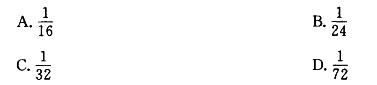
将自然数1~100分别写在完全相同的100张卡片上,然后打乱卡片,先后随机取出4张,问这4张先后取出的卡片上的数字呈增序的几率是多少?()
-
- A.见图A
- B.见图B
- C.见图C
- D.见图D
- 查看答案