资料:It seems simple enough. Take all the line-forming and paper-filling busy work of the government, and put it all up on the Internet. Now, in order to report a pot-hole, pay your property tax, complain to an official or cast a vote, just log on and hit a few buttons. Goodbye bureaucracy, hello e-cracy?
However, the shift to e-government is turning into one giant pain in the neck — technology isn't the problem, money is. The Gartner Group estimated that project spending for e-government will grow from $6.5 billion in 2010 to more than $16.8 billion by 2025.The cost worldwide over the next 15 years, however, is thought by some to reach or even exceed $600 billion.
Citizens are of two minds — they like the convenience and flexibility of e-government, but they have shown no great interest in coughing up extra tax dollars for this purpose. E-government is turning out to be much more expensive than its early champions envisioned. Just because that a state's department of motor vehicles allows online auto registration doesn't mean it can shut down its physical stations. The cost of creating and maintaining an Internet presence must be added to the existing cost structure.
Why so expensive? It's cheap enough for a regional forest service to put up a fire alert website. But mounting a comprehensive system of inputs and outputs that mirrors and in some instances supersedes off-line government structures is a mammoth expenditure, conducted with little assurance that emerging technological standards won't leave your effort in the dust.
If this sounds eerily similar to the confidence wall dot-com businesses piled into last year, good for you, because it’s the same wall, the wall of reality, where money is still money, and because a thing is virtual doesn’t mean it’s free. It is a really big problem. We all know it is going to cost a ton of money, but no one knows where to go for the money.
The passage indicates that the success of e-government partly depends on .
- A.having public confidence
- B.having sufficient investment
- C.lowering government spending
- D.upgrading government technology
正确答案及解析
正确答案
解析
本题考查的是细节理解和同义转换。
【关键词】indicates;success of e-government
【主题句】 第2自然段 However,the shift to e-government is turning into one giant pain in the neck— technology isn’t the problem, money is.然而,向电子政府的转变正在变成一个大麻烦——技术不是问题,金钱是问题。
【解析】本题的问题是“文章中表明,电子政府的成功部分取决于什么?”。根据主题句可知,金钱是电子政府目前的主要问题,故选B。
你可能感兴趣的试题
根据《中华人民共和国中国人民银行法》的规定,我国货币政策的最终目标是( ),并以此促进经济增长。
-
- A.保持货币币值稳定
- B.实现充分就业
- C.保持物价稳定
- D.保持利率稳定
- 查看答案
箱子里面有红、白两种玻璃球,红球数比白球数的3倍多两个,每次从箱子里取出7个白球、15个红球。如果经过若干次以后,箱子里只剩下3个白球、53个红球,那么,箱子里原有红球比白球多多少个?
-
- A.102
- B.104
- C.106
- D.108
- 查看答案
市场经济体制下,财政具有的职能有( )。
-
- A.资源配置职能
- B.收入分配职能
- C.经济稳定和发展职能
- D.综合平衡职能
- E.货币发行职能
- 查看答案
以下对政府部门的储蓄,表述正确的是( )。
-
- A.政府部门的储蓄可以是正值,也可以是负值
- B.政府部门的储蓄包括私人储蓄和企业储蓄
- C.政府部门的储蓄一定是正值
- D.政府部门的储蓄一定是负值
- 查看答案
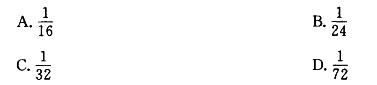
将自然数1~100分别写在完全相同的100张卡片上,然后打乱卡片,先后随机取出4张,问这4张先后取出的卡片上的数字呈增序的几率是多少?()
-
- A.见图A
- B.见图B
- C.见图C
- D.见图D
- 查看答案