资料:(二)
The very loans that are supposed to help seniors stay in their homes are in many cases pushing them out. Reverse mortgages, which allow homeowners 62 or older to borrow money against the value of their homes and not pay it back until they move out or die, have long been said with problems. Now, federal and state regulators are documenting new instances of abuse as smaller mortgage brokers, including former sub-prime lenders, flood the market after the recent exit of big banks and as defaults on the loans hit record highs.
Some lenders are aggressively recommending loans to seniors who cannot afford the fees associated with them, without mentioning the property taxes and maintenance. Others are wooing seniors with promises that the loans are free money that can be used to finance their long-desired things, without clearly explaining the risks. Some widows were pressured not to have their names on the contract, without being told that they could be left facing foreclosureafter their husbands died.
Now, as the vast baby boomer generation is entering retirement and more seniors struggle with declining savings, the newly established Consumer Financial Protection Bureau is working on new rules that could mean better disclosure for consumers and stricter supervision of lenders. More than 775,000 of such loans are outstanding, according to the federal government.
Concerns about the multi-billion dollar reverse mortgages market echo those raised in the lead-up to the financial crisis when consumers were marketed loans—often carrying hidden risks—that they could not afford. “There are many of the same red flags, including explosive growth and the fact that these loans are often advertised aggressively without regarded to suitability,“sad Lori Swanson, the Minnesota attorney general, who is working on reforming the reverse mortgage market.
Which is true about the problem of reverse mortgage?
- A.Some lenders are unwilling to lend money to seniors
- B.The borrowers cannot pay back the money as expected
- C.Federal and state regulators are documenting the objection
- D.Some lenders go bankrupt
正确答案及解析
正确答案
解析
本题考查的是细节理解。
【关键词】true;problem of reverse mortgage
【主题句】第1自然段The very loans that are supposed to help seniors stay in their homes are in many cases pushing them out. Reverse mortgages, which allow homeowners 62 or older to borrow money against the value of their homes and not pay it back until they move out or die, have long been said with problems. 本来应该帮助老年人留在家中的贷款在很多情况下反而把他们逐出家门。长期以来,人们一直说反向抵押贷款存在问题,这种贷款允许62岁以上的房主以房屋价值为抵押借款,直到他们搬出去或死后才还款。
【解析】本题的问题是“关于反向抵押贷款的问题正确的说法是?”。 A选项“一些放款人不想把钱借给老年人”;B选项“借款人无法如预期中归还款项”;C选项“联邦和州监管部门正在制定反对意见”;D选项“一些放款人破产了”。根据题目中关键词找到主题句,可以看出反向抵押贷款的最大问题是借款方老年人无法按时还款,因此可能损失自己的房产。故B选项正确。
你可能感兴趣的试题
根据《中华人民共和国中国人民银行法》的规定,我国货币政策的最终目标是( ),并以此促进经济增长。
-
- A.保持货币币值稳定
- B.实现充分就业
- C.保持物价稳定
- D.保持利率稳定
- 查看答案
箱子里面有红、白两种玻璃球,红球数比白球数的3倍多两个,每次从箱子里取出7个白球、15个红球。如果经过若干次以后,箱子里只剩下3个白球、53个红球,那么,箱子里原有红球比白球多多少个?
-
- A.102
- B.104
- C.106
- D.108
- 查看答案
市场经济体制下,财政具有的职能有( )。
-
- A.资源配置职能
- B.收入分配职能
- C.经济稳定和发展职能
- D.综合平衡职能
- E.货币发行职能
- 查看答案
以下对政府部门的储蓄,表述正确的是( )。
-
- A.政府部门的储蓄可以是正值,也可以是负值
- B.政府部门的储蓄包括私人储蓄和企业储蓄
- C.政府部门的储蓄一定是正值
- D.政府部门的储蓄一定是负值
- 查看答案
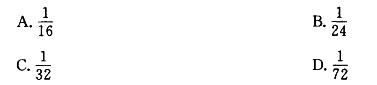
将自然数1~100分别写在完全相同的100张卡片上,然后打乱卡片,先后随机取出4张,问这4张先后取出的卡片上的数字呈增序的几率是多少?()
-
- A.见图A
- B.见图B
- C.见图C
- D.见图D
- 查看答案