资料:The data a bank has stored on its servers is more valuable than the gold in its vaults. Banks enjoy a monopoly over data that has helped them get away with poor services and fend off competitors. In Europe, at least, that is all about to change with a new set of regulations, named PSD2.
The rules will compel banks to share data easily with licensed third parties. Bankers in Europe complain that their profits and customer relationships are under threat. However, opening up banks, and the data they store, is good for consumers and competition, New providers will be better placed to offer all sorts of innovative services, such as a one-click option to put unspent monthly income into a pension plan.
Nevertheless, some concerns about PSD2 are legitimate. In particular, it is reasonable to wonder about the privacy and security implications of sensitive financial date being shared with third parties. But banks themselves are hardly invulnerable to cyber attacks (网络攻击).And the solutions that the European regulators propose to deal with these worries look promising. Third parties that want to use bank data will need to convince national regulators that their data defenses are solid and are subject to annual regulatory inspections.
The gap between writing rules and implementing them is always large. First, consent from customers to provide access to their bank data must be gained explicitly, and the purposes of the data use should be clearly explained. Second, regulators must be very tough both in ensuring that banks open up their infrastructure and in withdrawing the licenses of third parties that break the rules. Third, regulators must also be flexible enough to allow for changes as the market evolves. Since the new entrants will not be licensed to engage in riskier financial activities——such as lending money——it makes sense to regulate them with a lighter touch. But if some Fintech providers do end up becoming systemically important, higher standards of oversight might be necessary.
Which of the following is true in order to successfully implement PSD2?
- A.Customers are forced to share their bank data
- B.Banks are required to open up their entire operational system
- C.Regulators should be both tough and flexible
- D.Banks and third parties should be regulated with a light touch
正确答案及解析
正确答案
解析
本题考查的是细节理解及同义转换。
【关键词】true;implement;PSD2
【主题句】第4自然段Second, regulators must be very tough both in ensuring that banks open up their infrastructure and in withdrawing the licenses of third parties that break the rules.Third, regulators must also be flexible enough to allow for changes as the market evolves.其次,监管机构必须非常强硬,一方面要确保银行开放基础设施,另一方面要收回违规第三方的执照。第三,监管机构还必须足够灵活,以适应市场的发展变化。
【解析】本题的问题是“为了成功实施PSD2,以下哪一项是正确的?”。A选项“客户被迫分享他们的银行数据。”;B选项“银行被要求开放整个操作系统。”;C选项“监管机构应该既强硬又灵活。”;D选项“银行和第三方应该受到轻微管制。”根据主题句可知,监管机构需要既强硬又灵活,故选C。
你可能感兴趣的试题
根据《中华人民共和国中国人民银行法》的规定,我国货币政策的最终目标是( ),并以此促进经济增长。
-
- A.保持货币币值稳定
- B.实现充分就业
- C.保持物价稳定
- D.保持利率稳定
- 查看答案
箱子里面有红、白两种玻璃球,红球数比白球数的3倍多两个,每次从箱子里取出7个白球、15个红球。如果经过若干次以后,箱子里只剩下3个白球、53个红球,那么,箱子里原有红球比白球多多少个?
-
- A.102
- B.104
- C.106
- D.108
- 查看答案
市场经济体制下,财政具有的职能有( )。
-
- A.资源配置职能
- B.收入分配职能
- C.经济稳定和发展职能
- D.综合平衡职能
- E.货币发行职能
- 查看答案
以下对政府部门的储蓄,表述正确的是( )。
-
- A.政府部门的储蓄可以是正值,也可以是负值
- B.政府部门的储蓄包括私人储蓄和企业储蓄
- C.政府部门的储蓄一定是正值
- D.政府部门的储蓄一定是负值
- 查看答案
将自然数1~100分别写在完全相同的100张卡片上,然后打乱卡片,先后随机取出4张,问这4张先后取出的卡片上的数字呈增序的几率是多少?()
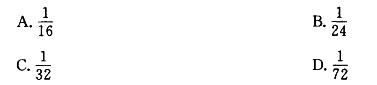
-
- A.见图A
- B.见图B
- C.见图C
- D.见图D
- 查看答案