A growing number of countries want to phase out coal entirely, a transition eased by cheap natural gas and cost of wind and solar power. That is good news. Coal has been the largest engine of change to date, accounting for nearly a third of the rise in average temperatures since the Industrial Revolution. Any pressure on it therefore counts as progress.
Asia accounts for 75% of the world's coal demand. The Chinese goverment has taken steps to limit pollution and support renewables. Yet coal consumption there rose in 2018, as it did the year before. In India coal demand grew by 9% last year. In Vietnam it swelld by altmost a quarter.
To keep the rise in global temperatures to no more than 1.59C relative to pre-industrial times, climatologists insist that almost all coal plants must shut by 2050, which mcans starting to act now.
Today's trends would keep the last coal plant open until 2079, cstimates UBS, a bank. Asia's coal-fired power regiment has a sprightly avcrage age of 15, compared with a creaky 40 years in America, close to retirement.
There are several reasons for this, but one stand out govemment I support. In India state-owned companies invest more than $6bn in coal mining and coal-fired power each year,statebacked banks provide some $10.6bn in financing. Indoncsia doles out more than S2bn annually for consumption of coalfired power. Japan and South Korca finance coal projccts outside their borders.
Govermment support is hardly surprising. State-backed coal firms make money and create jobs. W ind turbines and solar panels provide power only intermittently; for now, dirtier power plants are needed as back up. Gas is pumelling coal in America, but remains a bit-player in India and much of South-East Asia, since it has to be imported and is relatively expensive.
Neverheless, govermments betting on coal face three big risks. One is environmental.
Emissions from coal plants that are already built- -let alone new ones- will ensure that the world exceeds the level of carbon-dioside emissions likely to push global temperatures up by more tham 1.5%C.
There is an cconomio risk, too. Public-sector zeal for coal is matched only by private-sector distaste. Banks, including Asian ones, have increasingly said they will stop funding new coal plants. Wind and solar farms make coal look increasingly expensive. A study has found that private banks provided thre-quarters of loans to Indian renewables projects last year, state-backed banks doled out two-thirds of those for coal.
And then there is politics. Voters do not like breathing soot. More of them are concemed about elimnate change, too, as they face unpredictable growing seasons, foods and droughts.
According to this passage, which energy is the key factor to climate change?( )
- A.oil
- B.coal
- C.gas
- D.solar panels
正确答案及解析
正确答案
解析
由第一段第二句话“Coal has been the largest cngine of change to date, accounting for nearly a third of the rise in average tcmpcratures sinee the Industrial Revolution.”可知B项表述正确,所以答案选B。
包含此试题的试卷
你可能感兴趣的试题
根据《中华人民共和国中国人民银行法》的规定,我国货币政策的最终目标是( ),并以此促进经济增长。
-
- A.保持货币币值稳定
- B.实现充分就业
- C.保持物价稳定
- D.保持利率稳定
- 查看答案
箱子里面有红、白两种玻璃球,红球数比白球数的3倍多两个,每次从箱子里取出7个白球、15个红球。如果经过若干次以后,箱子里只剩下3个白球、53个红球,那么,箱子里原有红球比白球多多少个?
-
- A.102
- B.104
- C.106
- D.108
- 查看答案
市场经济体制下,财政具有的职能有( )。
-
- A.资源配置职能
- B.收入分配职能
- C.经济稳定和发展职能
- D.综合平衡职能
- E.货币发行职能
- 查看答案
以下对政府部门的储蓄,表述正确的是( )。
-
- A.政府部门的储蓄可以是正值,也可以是负值
- B.政府部门的储蓄包括私人储蓄和企业储蓄
- C.政府部门的储蓄一定是正值
- D.政府部门的储蓄一定是负值
- 查看答案
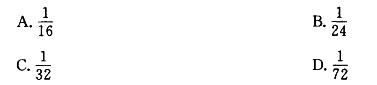
将自然数1~100分别写在完全相同的100张卡片上,然后打乱卡片,先后随机取出4张,问这4张先后取出的卡片上的数字呈增序的几率是多少?()
-
- A.见图A
- B.见图B
- C.见图C
- D.见图D
- 查看答案